

14 September, 2026 · 4 min read
How we fixed fund raising?
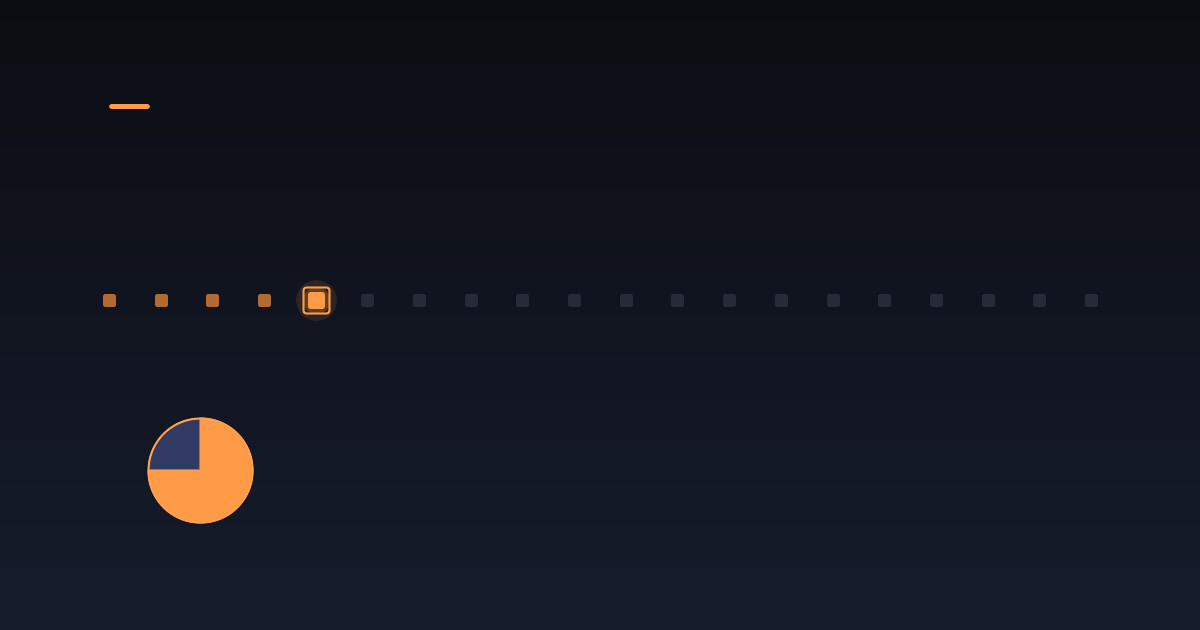
Hey there! Today we want to tell you the story behind sqrtDAO — why we think fund raising with tokens is broken, and how we fixed it. Short version: a launch should not be a one-minute sprint where bots win. We stretched the fundraising — it is continuous now.
What usually goes wrong
Most tokens never recover from their first minute. Raising funds with a token today forces everyone into the same broken script — for the project and for the people backing it:
- Bots beat humans. Bots buy the very first block, before any person can — then sell to everyone who came after.
- Whales take over. A few large wallets grab most of the supply at the lowest price and control the market.
- One-shot raises. Everything is raised in a single day and sits in a wallet one person controls — and once given, backers have no way to take it back from a team that went quiet.
- Instant dumps. The whole supply hits the market at once. Without enough buyers, the price falls and stays down.
One launch, spread across many epochs
Our fix is simple to say: launch is a moment, distribution is a process. Instead of everything happening on launch day, a launch becomes many small, fair epochs that unfold over time. An epoch is a 24-hour window — with 365 epochs that is a full year, though these are just example numbers: the founder sets the epoch length, the number of epochs and the total supply.
During an epoch, anyone can put funds in. When it closes, that epoch's share of tokens goes out — and the epoch's funds are put to work, automatically. Miss an epoch? Join the next one — or commit to future epochs in advance. The launch never asks you to be fast. It asks you to show up.
Every epoch is its own little market
Nobody sets the price — one division at each close decides it. Funds in are the demand, tokens out are the supply, and the schedule fixes how many tokens each epoch releases:
epoch price = all funds in / tokens releasedyour tokens = your funds / epoch priceOne price per epoch — the same for everyone in it — and a fresh price every 24 hours. No gas wars, no speed races, no secret deals. More believers in an epoch means a higher price that epoch; fewer means a cheaper one. The market sorts itself out, fairly.
Where the funds go
Every epoch, a configurable share of the funds buys the token on the open market — and burns it. In our example launch that is 75% buy & burn, with the remaining 25% going to the project. The founder decides how every epoch's funds divide, and the split is written into the launch itself.
- Buy & burn — pressure that never stops. Every 24 hours, part of the locked funds buys the token and destroys it forever. Supply shrinks with every single epoch.
- Project funding — steady, not sudden. The team receives a steady stream spread across the whole launch. Enough to build full-time, never enough to vanish overnight.
A normal launch vs. an epoch launch
| Metric | Normal launch | Epoch launch |
|---|---|---|
| When supply arrives | All at once, on day one | Small steps, every 24 hours, for a year |
| Best price goes to | Whichever bot is fastest | Everyone in the same epoch, equally |
| The presale | One-day events, insider lists | Open to everyone — commit to future epochs |
| Team funding | One lump sum, upfront | Earned epoch by epoch |
| If the team disappears | Backers are stuck | Backers just stop joining |
| Price pressure | One giant sell wave | Steady buys plus permanent burns |
Come build with us
Back the projects you believe in. Launch yours the fair way. If you are building a project or a startup, reach out — we will happily help you run your launch in epochs, with funding that lasts as long as your work does.
Say hi on X or Discord, or dive into the docs to see how the contracts work under the hood.
Keep reading
More from the sqrtDAO blog